
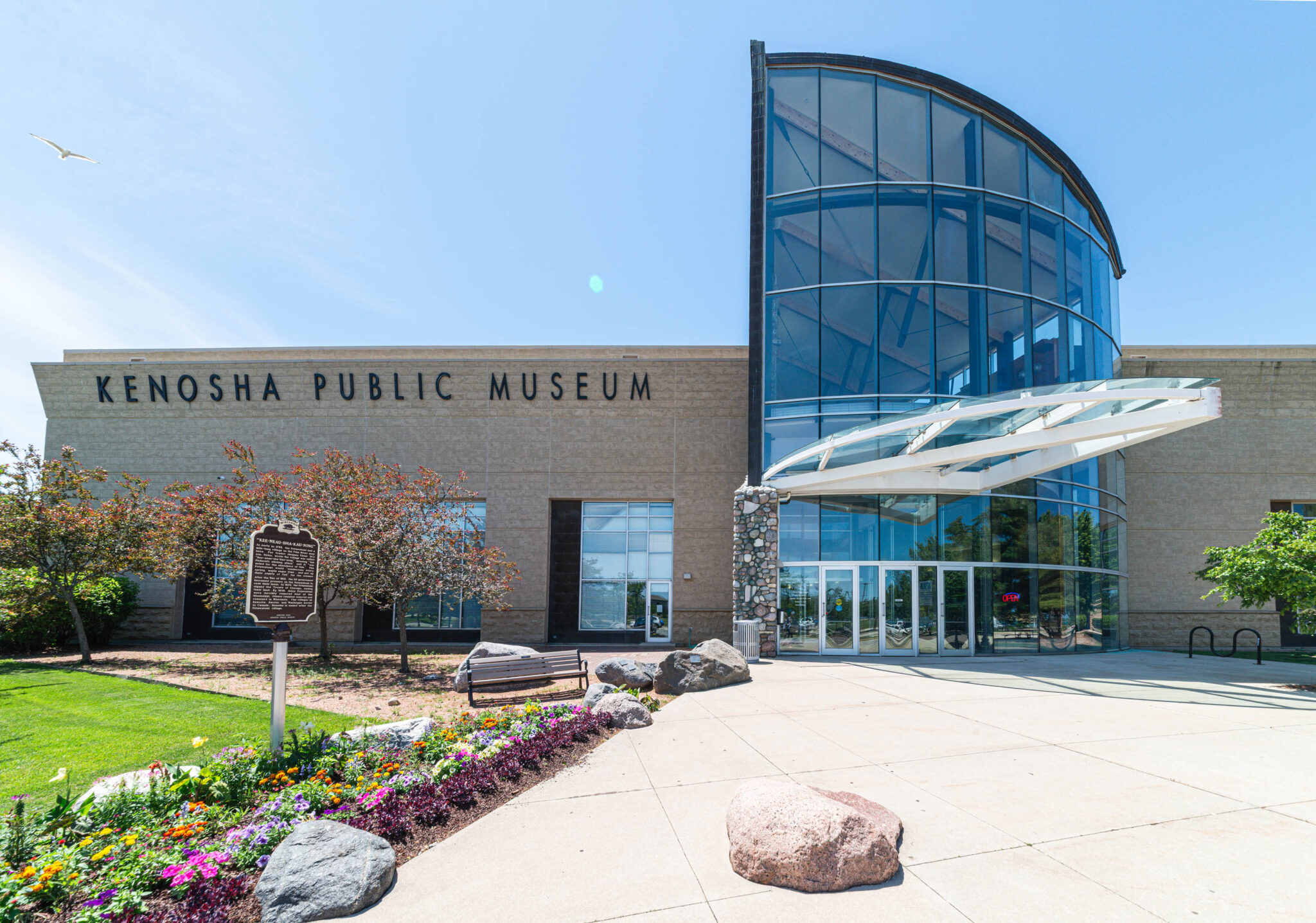
Featured Site: Kenosha Public Museum
Where Architecture, Landscape, and Storytelling Meet
Along the shores of Lake Michigan, a striking modern building invites visitors to explore Wisconsin’s past, the wonders of the natural world, and the creativity of the arts. The Kenosha Public Museum is more than a place to view fascinating collections—it’s an experience where architecture, landscape, and exhibitions work together to inspire curiosity and discovery.
For visitors participating in Keys to Kenosha, the museum offers a chance to look beyond the exhibits and appreciate the building itself as an essential part of Kenosha’s cultural landscape.
From 1936 to the Lakefront: A Museum’s Journey
While the museum’s current lakefront home opened in 2001, its story began much earlier. The Kenosha Public Museum traces its origins to 1936, when the original Kenosha Museum opened in the historic building that now houses the Dinosaur Discovery Museum.
For decades, that original location served the community, but as collections, exhibitions, and educational programs grew, so did the need for a larger facility. The answer was a new home along the Lake Michigan shoreline.
The 42,000‑square‑foot Kenosha Public Museum at 5500 1st Avenue opened to the public on September 15, 2001, providing expanded galleries and educational space while creating a distinctive cultural destination along Kenosha’s lakefront. Today, the museum continues the mission that began generations ago: preserving important stories and collections while creating opportunities for people of all ages to learn, explore, and connect.
A Building Shaped by Glacial History
One of the most fascinating aspects of the Kenosha Public Museum is that the building itself tells a story. Designed by Engberg Anderson Architects, the museum’s architecture was inspired by the glacial forces that shaped southeastern Wisconsin.
Long before Kenosha became the city visitors know today, glaciers transformed the landscape, leaving behind geological features that still define the region. The museum’s design incorporates natural elements and architectural forms that reflect this history. Its setting along Lake Michigan strengthens that connection, creating a thoughtful relationship between the building, the surrounding landscape, and the museum’s emphasis on natural history.
In other words, the museum doesn’t simply display stories about Wisconsin’s natural environment—the building becomes part of that story. As you move through the museum, you can notice how the structure interacts with its waterfront setting and consider the forces of nature that shaped the land, the lake, and the region long before humans arrived.
For Keys to Kenosha visitors, this is one of the building’s most rewarding details: the museum is itself an expression of art, architecture, and Wisconsin’s rich natural history.
Mammoths and the Ice Age: Kenosha’s Global Connection
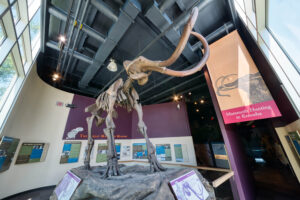
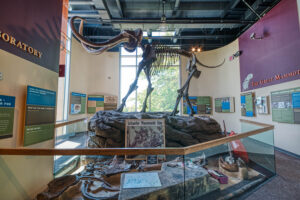
Perhaps the most famous treasures housed within the Kenosha Public Museum are the Schaefer and Hebior mammoths. These remarkable animals connect Kenosha directly to the Ice Age and have earned international recognition for their scientific importance.
In 1992, archaeologists Dan Joyce and David Wasion rediscovered the Schaefer mammoth in the Town of Paris in Kenosha County. The Hebior mammoth was discovered nearby. The nearly complete woolly mammoth skeletons gave scientists an extraordinary opportunity to study Ice Age life in Wisconsin.
For visitors, seeing these enormous skeletons is unforgettable. For scientists and historians, they represent something even more significant—a rare window into Wisconsin’s prehistoric past. The mammoths also show how discoveries made right here in Kenosha County can contribute to scientific understanding far beyond the region.
Art, Science, History, and the Natural World—Under One Roof
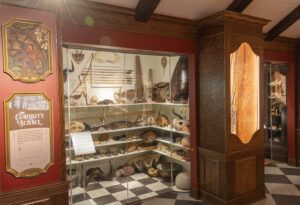
The Kenosha Public Museum isn’t devoted to just one subject. Instead, its collections and exhibitions bring together art, science, history, and the natural world. That variety makes the museum especially appealing for families and visitors with different interests.
One person might be captivated by prehistoric Wisconsin, while another is drawn to art or cultural history. Changing exhibitions provide new experiences with each visit, ensuring there is always something fresh to discover.
The museum’s educational mission is central to its identity. Through exhibitions, programs, and learning opportunities, it encourages visitors to ask questions, make connections, and see the world from new perspectives. And because admission is free, the museum is an accessible destination for residents and visitors alike.

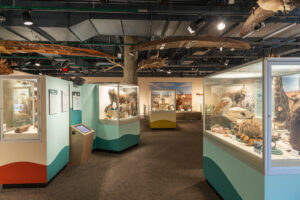
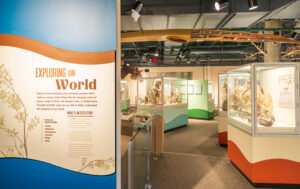
A Lakefront Cultural Destination
Location is part of what makes the Kenosha Public Museum so special. Situated directly along Lake Michigan, the museum is a key part of Kenosha’s vibrant lakefront and cultural district. Visitors aren’t simply coming to a building—they’re experiencing a destination where the lake, architecture, science, history, and art intersect.
The waterfront setting is also a reminder of how closely Kenosha’s identity is tied to the natural environment. The same Great Lake that helped shape the region’s geography has influenced its communities, industries, and history.
After exploring the galleries, visitors can continue along the lakefront and visit other cultural and historic destinations that make Kenosha unique.
Seeing the Building as Part of the Story
For Keys to Kenosha, the Kenosha Public Museum offers an especially interesting stop because there is more to discover than what’s inside the display cases.
As you explore, take time to:
- Look at the building from different angles
- Notice how its modern design responds to the landscape
- Observe the relationship between the architecture and Lake Michigan
- Reflect on how glacial forces shaped the land—and inspired a building dedicated, in part, to understanding that natural history
The museum’s architecture reinforces its purpose: to inspire exploration and discovery. As the museum itself emphasizes, the goal is not simply to showcase collections, but to create meaningful experiences that connect people with art, science, history, and the natural world.




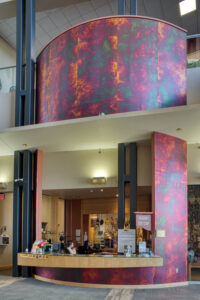
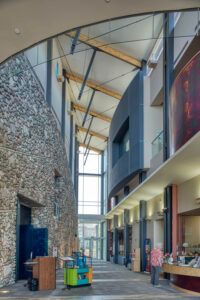




Unlocking This Key to Kenosha
Whether you’re a longtime Kenosha resident or visiting for the first time, the Kenosha Public Museum is a destination worth exploring.
Come for the mammoths. Stay for the art, science, and history. Take in the lakefront setting. And don’t forget to look closely at the building itself.
With its distinctive architecture, fascinating collections, educational opportunities, and connection to Lake Michigan, the Kenosha Public Museum represents the kind of place that makes Keys to Kenosha so special: a destination you may have driven past, walked by, or visited before—and now see in an entirely new way.
The Kenosha Public Museum is open for self‑guided exploration, with a docent available at the entrance to answer visitor questions. So when you unlock this particular Key to Kenosha, don’t just walk through the doors.
Look around. Look closer. And discover the story the building itself has to tell.