
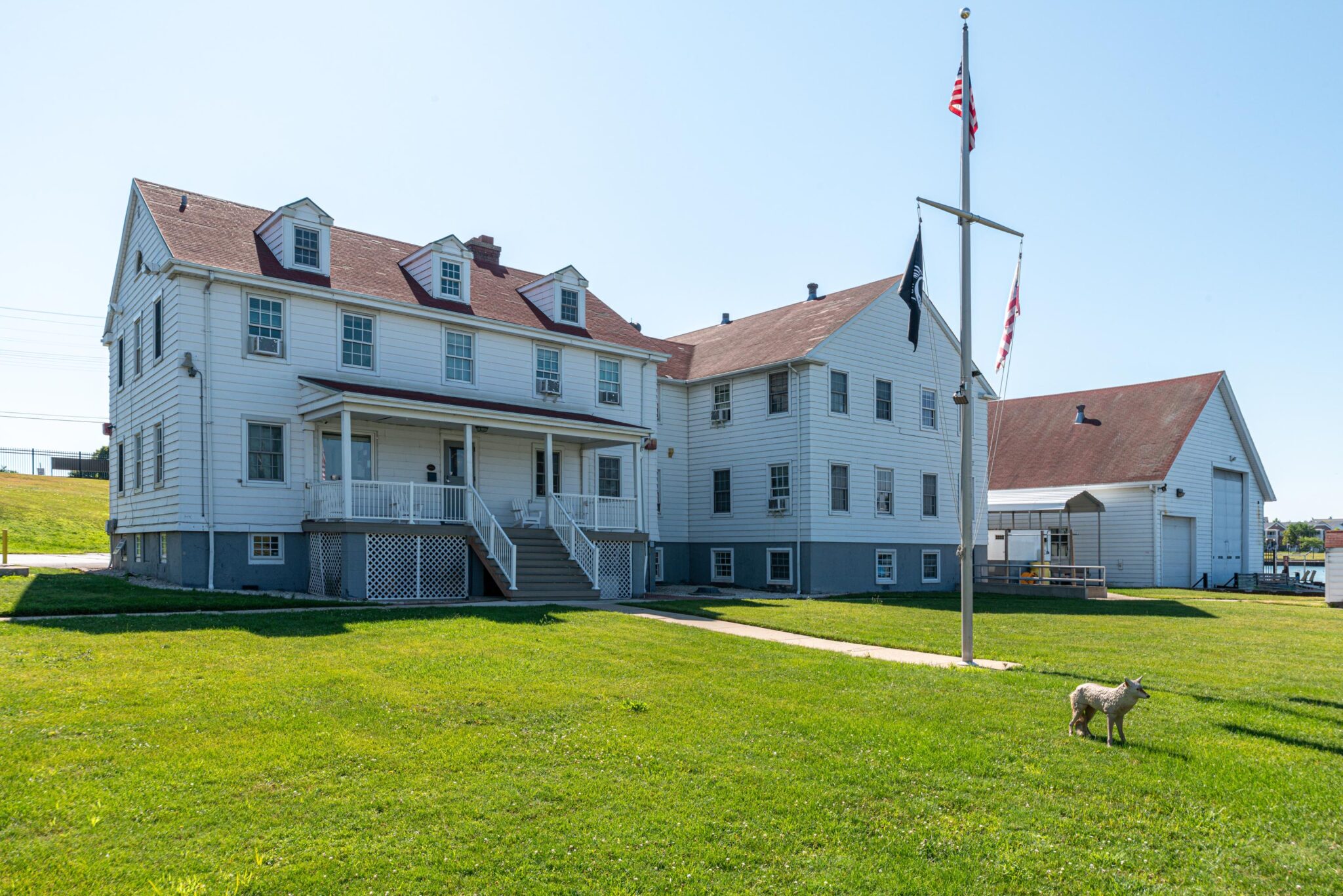
Featured Site: Coast Guard Station Kenosha
Nearly 150 Years of Service on the Shores of Lake Michigan
For most people, Coast Guard Station Kenosha is a place they’ve seen from afar while walking the harbor or visiting Washington Island, now called Simmons Island. But during Keys to Kenosha, visitors have a rare opportunity to step inside an active military installation and discover the remarkable history, architecture, and lifesaving mission that have made this site an integral part of the Kenosha community for nearly 150 years.
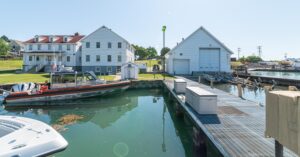
Located on Washington Island at the entrance to Kenosha Harbor, Coast Guard Station Kenosha has safeguarded the waters of southwestern Lake Michigan since the nineteenth century. From dramatic rescues in dangerous weather to modern search and rescue operations, the station remains a symbol of service, dedication, and community protection.
What to Expect During Your Visit
Because Coast Guard Station Kenosha is an active federal military installation, special security measures will be in place during Keys to Kenosha.
Visitors will participate in guided tours led by station personnel and volunteers. Four Coast Guard volunteers will conduct tours, with each guide leading groups of approximately five to six guests. Tours are expected to last approximately 10 to 15 minutes and will provide visitors with an up-close look at the station’s operations, equipment, and history.
Due to current security requirements, the station gate will remain manned and closed between tour groups. This controlled access helps ensure the safety and security of both visitors and station personnel while allowing guests a unique behind-the-scenes experience.
A Legacy Rooted in Lifesaving
The history of Coast Guard Station Kenosha dates back to 1878, when land was conveyed for the establishment of a lifesaving station on Washington Island. The following year, the first station was constructed under the U.S. Life-Saving Service, the predecessor to today’s United States Coast Guard.
Over the decades, station crews responded to countless emergencies on Lake Michigan. Historical records show that between the station’s founding in 1879 and June 1935 alone, personnel answered 2,307 calls for assistance and rescued approximately 780 people from drowning. Those numbers have continued to grow as generations of Coast Guard members have carried forward the station’s lifesaving mission.
Historic Architecture Along the Harbor
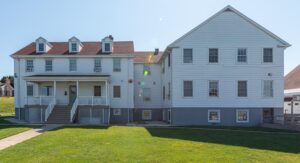
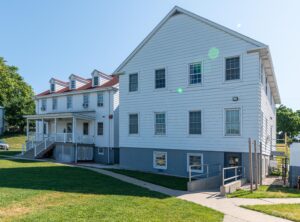
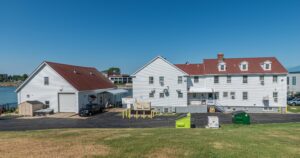
The station’s current building represents an important chapter in Kenosha’s architectural history. In 1934, Kenosha contractor Louis Klem constructed a new colonial-inspired station building to replace the original wooden structures built in 1879.
The modernized station officially entered service on November 11, 1938, providing a more durable and functional headquarters for lifesaving operations on Lake Michigan. Today, the historic building stands as a reminder of the Coast Guard’s longstanding presence in Kenosha while continuing to serve an active operational role.
A Site That Continues to Make History
While Coast Guard Station Kenosha is deeply rooted in history, it continues to make history today.
On June 5, 2026, the station hosted a landmark Change of Command ceremony when Senior Chief Petty Officer Jeremiah Ward, a Machinery Technician (MK), assumed command from Master Chief Petty Officer Adam Bure. The event marked the first time in United States Coast Guard history that a Machinery Technician was appointed to serve as Officer-in-Charge of a small boat station.
The ceremony attracted numerous military and regional dignitaries and highlighted the station’s ongoing significance within the Coast Guard.
Adapting to Meet Modern Challenges
Like many military facilities, Coast Guard Station Kenosha has evolved to meet changing operational needs.
In September 2017, the station was decommissioned as a full-time facility and transitioned to seasonal operations supported by personnel from Coast Guard Station Milwaukee. However, continued concerns about response times on southwestern Lake Michigan prompted the Coast Guard to recommission Station Kenosha as a full-time, year-round station on September 17, 2021.
Later that year, resources were transferred from Station Wilmette Harbor, transforming Kenosha into a major regional hub for multiple mission areas. Today, the station conducts search and rescue operations, maritime law enforcement patrols, and ice rescue missions while utilizing advanced equipment such as the Response Boat-Small Gen II.
Is the Station Haunted?
Ask anyone who has spent time in old maritime facilities, and you’ll likely hear a ghost story or two. Station personnel note that, like many historic Coast Guard stations, there is a good chance the building has accumulated a few unexplained tales over the years. While no official ghost stories have been documented, visitors are welcome to imagine the generations of sailors, lifesavers, and Coast Guard members who have walked its halls since the nineteenth century.
Why You Should Add Coast Guard Station Kenosha to Your Keys to Kenosha Itinerary
Few sites in Kenosha offer the opportunity to step behind the fence line of an active federal military installation. Most days, Coast Guard Station Kenosha is closed to casual visitors, making Keys to Kenosha a truly exclusive opportunity.
Guests will have the chance to see operational equipment up close, learn about the station’s vital mission, explore a historic harbor facility, and hear firsthand from the men and women who continue to protect Lake Michigan today.
Strengthening Community Connections
For nearly 150 years, Coast Guard Station Kenosha has relied upon the trust and support of the community it serves. Participating in Keys to Kenosha allows the station to strengthen that connection by opening its doors and sharing its story with the public.
Behind every rescue, patrol, and emergency response is a dedicated team committed to keeping our waters safe. During Keys to Kenosha, visitors can gain a deeper appreciation for that mission while experiencing one of Kenosha’s most important historic and operational landmarks.
This is a rare opportunity to explore a place where history, public service, and maritime tradition come together on the shores of Lake Michigan.